
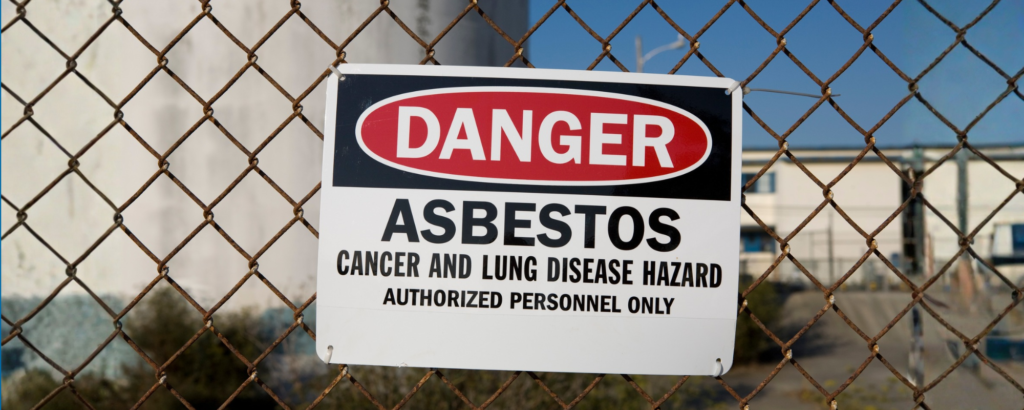
Asbestos was banned almost 23 years ago, but it remains in homes and commercial buildings across Australia. This Asbestos Awareness Month, here is what builders, tradies and apprentices need to know.
Asbestos is still in Australian buildings
Every two hours, an Australian dies from an asbestos-related disease. That is more than 4,000 preventable deaths a year, almost three times the national road toll. Around 6 million tonnes of asbestos-containing materials remain in the built environment, including in one in three Australian homes.
Asbestos was used in more than 3,000 building and decorator products before 2004. Any home built or renovated before 1990, and any commercial property built before 2004, could contain it. On site, that means roofing, wall and ceiling sheeting, flooring, insulation, bathrooms, kitchens, fences and outbuildings.
Why it matters now
In August, the World Health Organisation confirmed that all six forms of asbestos cause cancer, including lung, laryngeal and ovarian cancers and mesothelioma, which has no cure. It also warned that people working on buildings can be at risk decades after the asbestos was installed.
Renovation activity adds to the pressure. Australians spent a record $4.15 billion on renovations in the June quarter, and only 30 per cent of people surveyed in 2025 believed they could afford professional removal. That puts builders and tradies in a position to guide clients before work begins.
Among Australian Mesothelioma Registry participants assessed as having possible or probable exposure, 51 per cent reported exposure during major home renovations. Dust carried home on clothes and tools can also put families at risk.
On site
You can’t tell whether a material contains asbestos by looking at it. Before work begins, keep these points in mind.
- Assume asbestos is present if you're unsure, and have a licensed asbestos assessor or removalist inspect it.
- Have an asbestos contingency plan ready, as clients are encouraged to ask tradespeople about one.
- Never use drills, angle grinders, circular saws or electric sanders on suspected material.
- Never use high pressure water blasters or compressed air.
- If you find asbestos, stop work, don't handle the material and contact a licensed asbestos professional.
- Leave removal of loose asbestos, which isn't bonded into building materials, to a licensed friable asbestos removalist.
Not every sheet needs to come out. Asbestos in good, stable condition is unlikely to release dangerous fibres if it is left undisturbed, and it can be painted, left alone and checked occasionally for wear. If your work would disturb it, bring in a licensed professional first.
Build your knowledge
Master Builders offers an Asbestos Awareness online course for anyone in the construction industry who may encounter asbestos. It only takes one hour, can be completed on a laptop or computer anytime, and earns 1 CPD point. The course covers recognising asbestos and asbestos-containing materials, health hazards, protecting yourself and others, legislative requirements and control measures.
Enrol at https://www.mbansw.edu.au/mba-course/asbestos/asbestos-awareness/